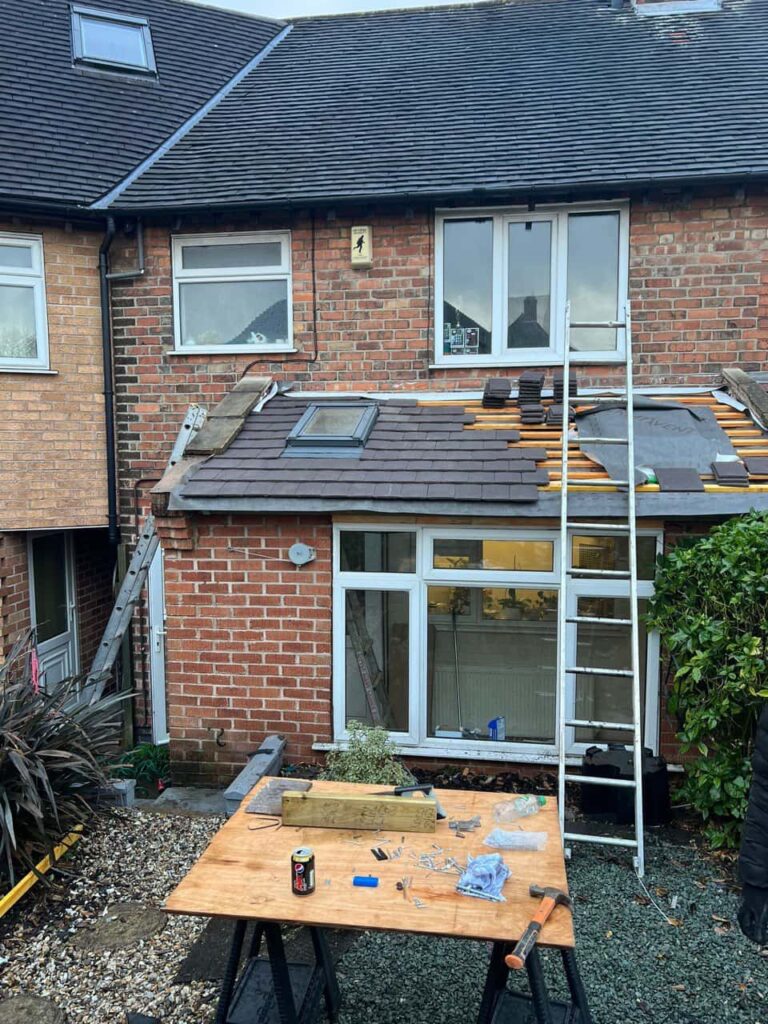
Lead roof flashing plays an important role in protecting vulnerable areas of a roof from water penetration. It is commonly installed around chimneys, roof junctions, valleys and other points where different surfaces meet. When correctly fitted, it creates a durable, weather-resistant seal that helps direct rainwater away from these connections.
However, lead flashing can develop problems over time, particularly if it has been poorly installed, exposed to repeated movement or affected by weather conditions. Splitting and lifting are two common defects that can compromise its performance. For homeowners in Calverton, Nottingham, understanding what causes these problems can help identify roofing issues before they lead to internal water damage.
Why Does Lead Roof Flashing Split or Lift?
Lead is a durable and flexible roofing material, but it naturally expands and contracts as temperatures change. It also needs to be installed with enough allowance for movement. If the material is restrained, incorrectly secured or subjected to excessive stress, cracks and lifted sections may develop.
Understanding the underlying causes is important because simply pressing down a lifted section or sealing a visible split may not provide a lasting repair.
Thermal Expansion and Contraction
One of the main causes of movement in lead flashing is temperature variation. Lead expands when heated and contracts as it cools. This natural process occurs repeatedly throughout the year as the roof is exposed to changing weather conditions.
If a length of lead flashing is installed without suitable allowance for thermal movement, stress can build up within the material. Over time, this may cause the lead to split, particularly around fixed points, folds or areas where movement is restricted.
Correct sizing, detailing and installation techniques help accommodate this movement and reduce unnecessary strain on the flashing.
Poor Installation and Incorrect Fixing
The quality of the original installation has a significant influence on how well lead flashing performs. If it is fixed too tightly, fitted incorrectly or installed in unsuitable lengths, the material may not be able to move naturally.
Other installation problems include:
- Inadequate fixing into mortar joints.
- Incorrectly formed folds and joints.
- Poor detailing around chimneys and roof junctions.
- Unsuitable overlaps between sections.
- Flashing that has been forced into position.
These issues can create weak points where the lead becomes more vulnerable to lifting or splitting. Professional installation considers the roof’s design and the movement characteristics of the material.
Wind Exposure and Repeated Movement
Strong winds can place pressure on exposed sections of lead flashing, particularly around chimneys, roof edges and raised junctions. If the flashing is already loose or inadequately secured, repeated wind movement can gradually lift it away from the surface.
Once a section becomes raised, wind can get underneath it and increase the likelihood of further separation. This may leave gaps through which rainwater can enter.
After periods of strong winds, it is worth looking for visible changes around roof junctions from a safe position on the ground. Any suspected lifting should be assessed by a roofing specialist rather than handled without appropriate access and equipment.
Ageing and Material Fatigue
Although lead is known for its longevity, it is not immune to deterioration. Repeated expansion, contraction and movement can gradually affect its condition, especially where the original installation has not allowed sufficient flexibility.
Older flashing may develop cracks around folds, joints or fixing points. Previous repairs can also influence its condition, particularly if incompatible materials or unsuitable methods have been used.
If splitting occurs in several places, it may indicate that the flashing has reached a stage where patching individual defects is no longer the most suitable approach. A professional inspection can establish whether localised repairs or replacement is needed.
Building Movement and Settlement
Buildings naturally experience small amounts of movement over time. Changes in the supporting structure, settlement or movement around chimney stacks and adjoining roof sections can place additional stress on flashing.
Where the lead connects two surfaces that move slightly differently, tension may develop along the joint. This can cause the flashing to pull away from the mortar, lift at the edges or split around vulnerable folds.
If the same problem repeatedly returns after repairs, it is important to investigate whether movement in the surrounding structure is contributing to the defect.
Poor Previous Repairs
Lead flashing may also fail prematurely because of unsuitable repair work. Applying surface sealants over a split or securing a loose section without addressing the original cause can provide only a temporary improvement.
If the underlying issue involves thermal movement, poor fixing or damaged lead, the defect may reappear. A proper repair should assess the full affected section and determine whether the material can be restored or needs replacing.
Using appropriate leadworking techniques helps maintain the integrity of the roof junction and reduces the likelihood of recurring leaks.
Warning Signs That Lead Flashing Needs Attention
Splitting and lifting are not always easy to identify from ground level, but certain symptoms may indicate a problem.
Look out for:
- Visible gaps around chimney stacks or roof junctions.
- Lead sections that appear raised or uneven.
- Cracks around folds and joints.
- Loose or deteriorating mortar where flashing is secured.
- Damp patches on ceilings or walls near chimneys.
- Water staining in accessible loft areas.
These signs should be investigated promptly, as water entering through defective flashing can affect surrounding roof materials and internal finishes.
Conclusion
Splitting and lifting in lead roof flashing can result from thermal movement, poor installation, wind exposure, ageing, structural movement or unsuitable previous repairs. Identifying the underlying cause is essential to choosing a repair that restores effective weather protection rather than simply covering the visible damage.
If your property in Calverton, Nottingham, has loose, split or deteriorating lead flashing, Calverton Roofing Repairs can help inspect the affected area and recommend appropriate roofing repairs. Contact the team to discuss your requirements and help keep your roof properly protected.
Call us on: 0115 647 1193
Click here to find out more about Calverton Roofing Repairs
Click here to complete our contact form and see how we can help with your roofing needs.