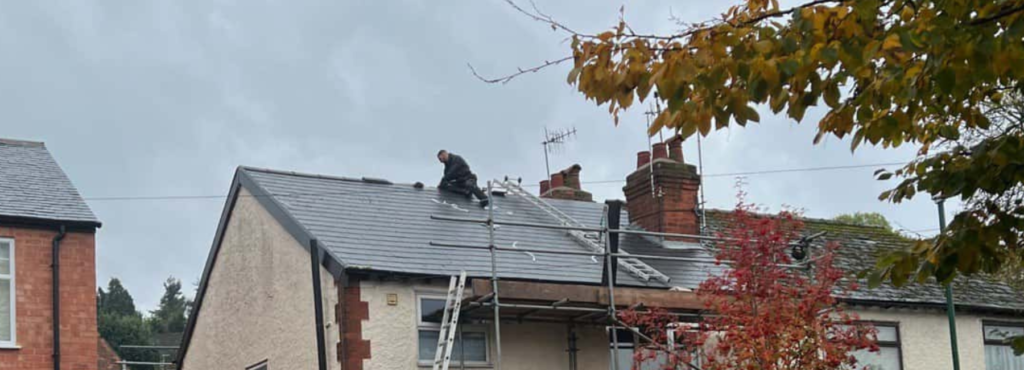
Felt roofing is a popular choice for flat roofs on garages, extensions, sheds and other parts of a property. When installed correctly and maintained properly, it provides a protective layer that helps keep rainwater out. However, exposure to changing temperatures, rainfall and general wear can gradually affect the condition of the felt, leaving the roof vulnerable to leaks.
For homeowners in Calverton, Nottingham, recognising the early signs of felt roof damage can help prevent minor defects from developing into more serious problems. Knowing when to arrange professional flat roof repairs is an important part of protecting your property and maintaining the performance of your roof.
Common Signs Your Felt Roof Needs Repair
1. Cracks, Splits or Tears in the Felt
One of the clearest signs of damage is a visible split or tear in the roofing felt. Over time, the material can become less flexible, making it more susceptible to cracking as it expands and contracts with temperature changes.
Even a small opening can allow rainwater to penetrate the roof covering and reach the layers beneath. If the damage is left untreated, moisture may affect the roof deck, insulation or internal ceiling.
If you notice damaged felt from a safe viewing position, arrange an inspection rather than attempting to patch the area yourself. A roofing specialist can assess the extent of the deterioration and determine the most suitable repair.
2. Water Pooling on the Roof
Flat roofs are designed to manage water through appropriate drainage and roof falls, but some temporary surface moisture may remain after rainfall. Persistent pooling, particularly when water remains for an extended period, can indicate a drainage issue or an uneven roof surface.
Standing water can place additional stress on vulnerable seams and damaged sections of felt. Over time, this may increase the risk of water ingress, especially if the roof covering is already worn.
A professional inspection can help establish whether the problem is caused by blocked outlets, inadequate drainage, a sagging roof deck or another defect. Addressing the underlying cause is important to help prevent the problem from returning.
3. Blisters, Bubbles or Raised Areas
Raised patches or bubbles in felt roofing can indicate that air or moisture has become trapped beneath the surface. These areas may develop as the roofing layers deteriorate or lose adhesion.
Blisters can weaken the roof covering and may eventually split, creating an entry point for rainwater. They should not be punctured or pressed down as a quick fix, as this can worsen the damage or compromise the surrounding material.
A roofer can examine the affected section and determine whether localised repairs are appropriate or whether the felt has deteriorated more extensively.
4. Water Stains on Ceilings or Walls
Damp patches, yellow or brown ceiling stains, peeling paint and musty smells can all indicate moisture entering through a flat roof. These symptoms may become more noticeable after prolonged or heavy rainfall.
The location of the stain does not always reveal where the water is entering. Moisture can travel beneath the felt or along the roof structure before appearing inside the property.
If you notice recurring dampness beneath a felt roof, it is important to identify the source rather than simply treating the visible mark. Professional flat roof repairs should address the entry point to help prevent further water damage.
5. Loose Seams and Lifting Edges
Felt roofing relies on secure joints and well-finished edges to maintain a weatherproof covering. If seams begin to separate or the felt lifts around roof edges, upstands or adjoining walls, rainwater may be able to enter beneath the material.
These vulnerable areas can be affected by weather exposure, ageing or deterioration of the original installation. Once a section becomes loose, wind and water can place further strain on the surrounding roof covering.
A roofing specialist can inspect the joints and edges, secure or repair damaged sections where appropriate, and check whether nearby areas have also been affected.
6. A Sagging or Uneven Roof Surface
A noticeable dip or change in the shape of a flat roof should not be ignored. It may indicate a weakened roof deck, prolonged moisture exposure or water collecting because the surface is no longer draining effectively.
Sagging can be more serious than a surface defect in the felt because it may involve the supporting structure. Avoid walking onto the roof or attempting to investigate the affected area yourself.
Arrange a professional assessment promptly so the cause can be identified and any necessary repairs can be planned safely.
Why Prompt Felt Roof Repairs Matter
Small defects in felt roofing can gradually allow moisture to reach the materials beneath the surface. If water ingress continues, it may damage insulation, timber and internal finishes, while making it harder to establish the original source of the leak.
Prompt repairs can help restore the roof’s protective covering and reduce the risk of recurring problems. The appropriate solution depends on the condition of the felt, the extent of the damage and the state of the underlying roof deck.
Some isolated defects may be suitable for localised repairs. However, widespread cracking, repeated leaks or extensive deterioration may indicate that a larger section of the roof needs attention. A professional inspection helps establish which approach is most suitable.
Professional Flat Roof Repairs in Calverton, Nottingham
If your felt roof shows signs of damage, an experienced roofer can assess the covering, inspect vulnerable joints and check for evidence of water ingress. This helps ensure that repairs address the underlying problem rather than just the visible symptoms.
Calverton Roofing Repairs can help homeowners in Calverton, Nottingham, identify felt roofing defects and determine the appropriate repair work for their property. Whether you have noticed loose felt, persistent pooling or signs of a leak indoors, arranging an inspection can help you understand the condition of your roof and the next steps.
Avoid climbing onto a damaged flat roof, as the surface may be slippery or structurally weakened.
Conclusion
Cracked felt, persistent standing water, raised patches, loose seams, internal dampness and changes to the roof surface can all indicate that a felt roof needs professional attention. Identifying these warning signs early can help prevent minor defects from developing into more extensive roofing problems.
If you have concerns about your flat roof, contact Calverton Roofing Repairs to arrange an assessment. Prompt, appropriate repairs can help restore the roof’s weather protection and maintain the condition of your property in Calverton, Nottingham.
Call us on: 0115 647 1193
Click here to find out more about Calverton Roofing Repairs
Click here to complete our contact form and see how we can help with your roofing needs.